
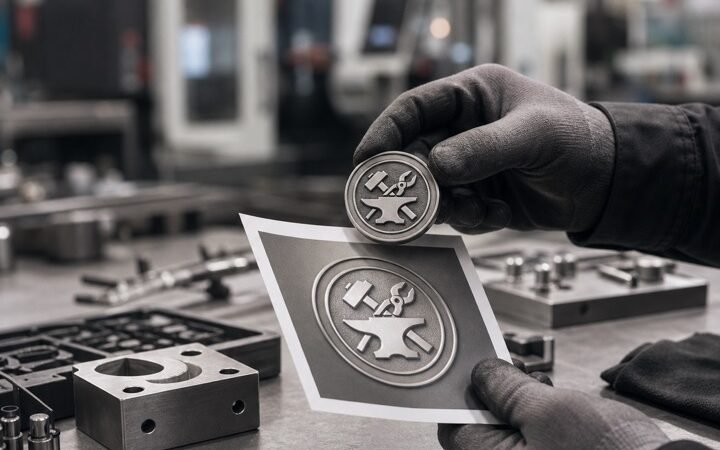
School and club coins can turn membership, leadership, service, competition, graduation, or a special event into a physical recognition item. The best project starts with a clear program brief: who will receive the coin, what moment it represents, how the design should look, how many units are needed, and how the item will be presented. This guide helps school administrators, coaches, club organizers, alumni groups, student leaders, and wholesale buyers plan custom coins that are readable, practical, and easier to reorder.
Choose the purpose before the artwork
A school coin may recognize a graduating class, academic achievement, student leadership, sports participation, volunteering, or a campus anniversary. A club coin may mark membership, a tournament, a chapter milestone, a volunteer project, or an annual gathering. Write the purpose in one sentence before choosing icons and wording. The purpose influences whether the design should feel formal, energetic, historic, youthful, or community-focused.
List the recipient groups and award levels at the beginning. If one coin will be given to all members, the design may emphasize the club emblem and year. If the program has gold, silver, and bronze levels, identify which artwork elements change and which remain consistent. This helps the manufacturer discuss a coherent collection rather than treating every variation as an unrelated product.
Build a simple school or club design brief
A useful brief includes the organization name, logo or crest, event name, year, recipient group, quantity, preferred diameter, thickness direction, material, plating, enamel, edge, packaging, destination, and target date. Mark which wording and logos are fixed. If the artwork is still a sketch, identify it as a concept so production questions can be raised early.
Confirm that the school, club, sponsor, mascot, and event artwork can be used for the project. Zincustomized can review the provided files and production details, but the buyer remains responsible for artwork permissions and final spelling approval. Keeping one approved file and one revision contact reduces confusion when a committee provides feedback.
Use the front and back for different messages
The front usually carries the strongest identity: a school crest, team mark, club emblem, mascot, or central symbol. The back can hold the year, motto, chapter, location, award name, or a short recognition message. The two sides should feel connected through a shared border, metal finish, typography, or repeated symbol, but they do not need to repeat the same information.
Avoid filling both faces with long paragraphs. At the final physical size, a short phrase with strong contrast is generally easier to read than a crowded list. If a ceremony requires more information, use a presentation card, certificate, box insert, or event program for the longer explanation.
Select a size that matches the audience
School and club coins are often carried, exchanged, displayed, or presented in a group setting. A compact coin may be convenient for students and members, while a larger coin may provide more room for a detailed crest, mascot, date, or edge message. Compare the organization’s artwork with diameter, thickness, weight, and packaging instead of choosing a size from a reference photograph.
The challenge coin sizes guide explains common size decisions. For a club emblem with small lettering, a larger diameter or simpler wording may be more practical. For a compact membership token, a clean symbol and short name may work better than trying to reproduce every detail of a seal.
Choose relief, enamel, and plating deliberately
2D relief can keep a crest, logo, border, or short message clean. 3D relief may add depth to a mascot, animal, building, or sculptural subject. Engraving can support dates, signatures, serial numbers, or fine lines. Enamel can add school or club colors, while the metal borders remain part of the design. These methods can be combined, but the final size and line width still need review.
Gold, silver, copper, black, polished, and antique finishes create different levels of contrast. Antique treatment may emphasize recessed details; polishing may highlight raised areas; black plating can create a stronger background for selected metal or enamel. Review finish with the actual artwork and keep an approved sample or reference for future program orders.
Make the design work for committee approval
Committees often include administrators, teachers, coaches, students, alumni, sponsors, and purchasing contacts. The approval process is easier when the proof shows front, back, edge, dimensions, finish, colors, packaging, and a short explanation of what each element means. Ask reviewers to comment on one version instead of circulating multiple unnamed images.
Nominate one person to consolidate feedback and confirm the final artwork. Check school names, club abbreviations, dates, award levels, sponsor wording, and mascot details. A written approval record is especially important when the coin will be produced for a ceremony that cannot be delayed.
Plan quantities, spares, and annual reorders
Start with the recipient list, then separate expected awards, staff or volunteer gifts, guests, and spares. A small reserve can be useful when a student joins after the order, an item is misplaced, or an award level changes. The quantity should also reflect packaging units and carton planning.
If the school or club expects an annual event, create a reorder file containing the approved artwork, size, thickness, relief, plating, enamel colors, ribbon or box, packaging, quantity, and date. Identify what may change each year, such as the event date, class, chapter, or award level. This saves time while still allowing the buyer to review the current production details.
Choose presentation and packaging
Bulk pouches or cartons may suit a school office distributing hundreds of items. Individual pouches, cards, or presentation boxes may be better when the coin is handed to each recipient during a ceremony. Packaging should protect the surface and make counting, storing, and distributing the order practical.
Include the presentation choice in the original quote. Card wording, box color, logo placement, labels, barcode areas, and assembly may influence the total project. The custom metal packaging guide can help organizers list these details before approval.
Compare school and club coin quotes fairly
Use the same specification when comparing suppliers: material, diameter, thickness, relief, edge, plating, enamel, quantity, sample, packaging, inspection, destination, and delivery assumption. Confirm whether tooling is included and whether the quote refers to factory completion or arrival at the school or club.
A unit price without the full specification can be misleading. A lower quote may leave out a presentation box, a sample, a special edge, a finish, packaging assembly, or shipping. The challenge coin cost guide provides a useful checklist for the purchasing comparison.
Sampling and quality review
A physical sample is useful when the committee needs to check size, weight, relief, finish, color, edge, packaging, or the way the coin feels in hand. Before approval, inspect spelling, logo proportions, date, orientation, plating coverage, enamel boundaries, and the connection between the coin and its presentation package.
A sample reduces uncertainty but does not make a screen render or future reorder an absolute guarantee. Keep the approved sample notes and written specification together. If the buyer changes the artwork, finish, quantity, or packaging after sampling, ask how the change affects timing and cost.
How Zincustomized supports school and club projects
Zincustomized reviews custom zinc alloy, stainless steel, copper, plating, enamel, engraving, packaging, and related metal product routes. Our production discussion connects the organization’s purpose with artwork, dimensions, finish, quantity, sampling, inspection, and delivery information. We do not invent client logos, customer counts, certifications, or guaranteed outcomes.
To begin a school or club project, send the emblem or artwork, recipient group, quantity, size direction, material, finish, packaging, destination, and target date through the custom metal quote request page or WhatsApp.
Frequently asked questions
Are custom coins suitable for school clubs?
They can be used for membership, leadership, service, sports, graduation, tournament, and special-event recognition when the design and presentation fit the group.
What should a school send for a quote?
Send the artwork, purpose, quantity, size, thickness direction, material, relief, finish, enamel, packaging, destination, and target date.
Should schools order a sample?
A sample is useful when physical size, weight, relief, finish, color, packaging, or ceremony presentation needs to be checked in hand.
Can the same coin be reordered next year?
A reorder is easier when the approved artwork, dimensions, finish, packaging, quantity, and sample notes are saved together. The current project should still be reviewed before production.
Plan school and club distribution
Separate recipients, award levels, staff or volunteer gifts, spares, presentation method, and carton counts before ordering. Save the approved artwork and package file if the program may repeat next year. Request a school or club coin review.
Club program record
Keep school or club artwork, award level, date, finish, quantity, packaging, and presentation notes together for future reorders. Review the related Zincustomized guide or request a project discussion on WhatsApp.