
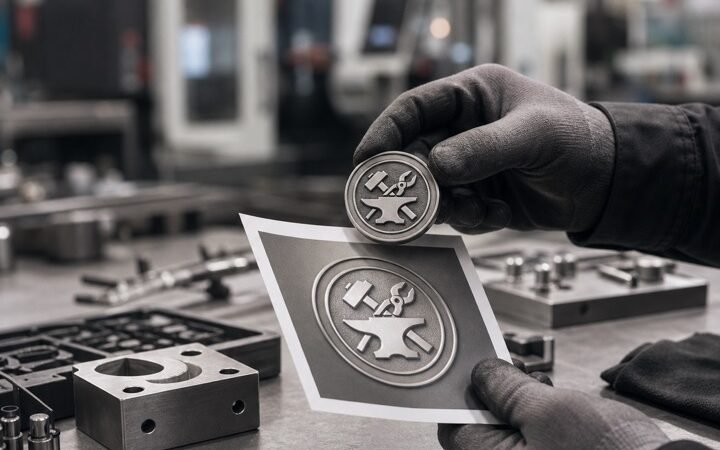
Custom challenge coins for schools and clubs can recognize membership, leadership, service, competition, fundraising, or a memorable event. A good coin brief explains who will receive it, what the coin should communicate, how it will be presented, and how many units are needed. The design should remain readable at its physical size while fitting the school crest, club emblem, event date, wording, and finish direction.
This guide helps school administrators, club organizers, coaches, alumni groups, and event planners prepare a practical order. Zincustomized reviews artwork, dimensions, relief, plating, enamel, edge treatment, packaging, quantity, and delivery assumptions for B2B custom metal projects.
Define the recognition moment first
Start by describing the event or achievement. A school may present a coin for graduation, student leadership, academic performance, sports participation, service, or a special anniversary. A club may use one for membership, a tournament, a milestone, or volunteer recognition. The purpose influences the words, symbols, size, finish, ribbon or box, and the number of units.
Write the central message in one sentence before filling the artwork with details. If the coin is for a leadership program, the front might prioritize the group emblem and the back the program name or year. If it is for a tournament, the event and placement may deserve more space than a long list of sponsors. A clear hierarchy helps the manufacturer preserve the important elements during proofing.
Choose an appropriate coin size
Small coins can be convenient for pockets, membership gifts, presentation cards, and compact packaging. Larger coins create more room for raised relief, club names, dates, and detailed emblems. The best size is not automatically the largest. Compare physical comfort, readability, shipping, packaging, storage, and the design detail before choosing a diameter.
Review diameter together with thickness and relief. Small text and narrow lines may look clear on a large screen but lose definition when cast, polished, plated, or filled with enamel. The custom challenge coin size guide can help organize the discussion. Ask for the proposed size in the proof and review the smallest important lettering at the intended scale.
Build front and back artwork with a clear hierarchy
Send front and back artwork separately when possible. Mark the orientation, protected logos, required wording, event dates, and elements that can be simplified. A school crest may need to remain visually exact, while a background texture can be adjusted to make the main name easier to read. A club emblem may need a simplified edge or border so it survives production at a smaller size.
Do not assume that a reference image is production-ready. A sketch, logo, PDF, or high-resolution image can support an early discussion. Tell the manufacturer whether it is a fixed design or a direction to develop. This allows questions about relief, engraving, enamel, cutouts, and edge text to be answered before tooling.
Decide between 2D, 3D, engraving, and enamel
2D relief can provide a clean hierarchy for lettering, emblems, and simple borders. 3D relief may add depth to mascots, animals, buildings, or other visual subjects, but it uses more design space and may affect the cost. Engraving can suit dates, signatures, serial numbers, or fine lines. Enamel can add school or club colors, but the color fields and metal borders need to be practical at the final size.
Choose the visual route with the recipient and budget in mind. A formal alumni coin may use restrained relief and antique silver. A student club coin may use brighter plating and a small number of enamel colors. Zincustomized can discuss the route with the artwork, size, quantity, and packaging rather than treating one finish as universally best.
Consider the edge as part of the design
A plain edge is simple and keeps the attention on the front and back. Reeded, rope, textured, or engraved edges can make the coin feel more distinctive. Edge text can include a motto, team name, date, or short message, but it requires enough circumference and letter spacing to remain readable. Confirm the edge treatment before the proof is approved.
Schools and clubs should check spelling carefully when edge wording is used. One incorrect abbreviation can affect the entire production run. Keep the approved wording in the purchase record and identify which person has final authority to approve it.
Plan quantity, packaging, and spares
Estimate recipients by group, award level, event date, and expected distribution. Include a reasonable number of spare units when a ceremony is difficult to repeat or when future additions are possible. If the program may continue every year, record the approved artwork, finish, dimensions, packaging, and quantity so a repeat order is easier to compare.
Packaging may be bulk cartons, individual pouches, presentation boxes, or backing cards. A school office may prioritize efficient counted packs. A club recognizing volunteers may prefer a small box or card for presentation. Include packaging in the quote because assembly, protection, carton size, and shipping can affect the total project cost.
Compare quotes on the same specification
When comparing suppliers, use the same coin diameter, thickness, material, relief, edge, plating, enamel, quantity, packaging, sampling, inspection, and delivery assumptions. A unit price without these details does not show the complete order cost. Confirm whether tooling and samples are separate, whether shipping is included, and whether the quoted date means factory completion or arrival.
The challenge coin cost guide can help list the main variables. A professional supplier should identify missing information rather than silently change a material or finish to make a quote appear lower.
Approve the proof and keep the record
Review the front, back, edge, thickness, relief, plating, enamel boundaries, packaging, and attachment or presentation method. Check names, dates, school abbreviations, club names, and sponsor marks. If a change is required, collect comments into one revision list and identify the version that is approved.
A digital proof confirms the planned specification but is not identical to a finished physical sample. A sample can be useful when size, weight, relief, finish, color, or packaging needs to be evaluated in hand. Zincustomized does not present a render as a guarantee of the finished physical result.
How Zincustomized supports school and club projects
Zincustomized works with buyers on zinc alloy, stainless steel, copper, plating, enamel, engraving, packaging, and other custom metal routes. Our role is to connect the artwork and buyer purpose with a practical specification, production discussion, proof, and approval sequence. We do not invent certifications, customer counts, client logos, or guaranteed outcomes.
To start, send the available artwork, quantity, size, material direction, finish, packaging, destination, and target date through the custom metal quote request page or WhatsApp.
Frequently asked questions
Are challenge coins suitable for school clubs?
They can be used for membership, leadership, service, tournaments, graduation, or special recognition when the design and presentation fit the group.
What size should a school coin be?
Choose a size that gives the emblem and wording enough room while remaining comfortable to carry and practical to package. Review size with thickness and relief.
Can school colors be added?
Yes. Enamel can add selected colors, but the number of colors, border width, relief, and final physical size should be reviewed in the proof.
How do I request a quote?
Send the artwork, quantity, size, finish, packaging, destination, and deadline through the quote request page or WhatsApp.
Make the coin practical for the whole program
A school or club coin should work for the people who approve it, the people who present it, and the students or members who receive it. Before the artwork is finalized, decide whether the coin marks membership, service, competition, graduation, leadership, or a recurring annual award. The purpose determines how much text is useful, which emblem deserves the most space, and whether the reverse should carry a year, group name, or short message.
For committee projects, create one approval document rather than collecting comments across email threads. Include the final front and reverse artwork, proposed diameter and thickness, material, relief, plating, color, edge, quantity, packaging, event date, delivery address, and the name of the final approver. This makes it easier to identify a genuine change request and reduces the chance that an old logo or year remains in the working file.
Plan for repeat events and changing details
- Keep a master version of the approved emblem and a separate field for the year or season.
- Decide whether names, team divisions, or ranks are engraved on every piece.
- Order spare pieces when recipients or event attendance may change.
- Record the approved finish and packing method for the next annual reorder.
- Review small text at the physical size shown in the proof.
Material and finish choices should reflect how the coins will be used. A bright polished area may emphasize a crest at an award presentation, while an antique contrast can help recessed details read clearly. If recipients will carry the coins daily, discuss edge comfort, thickness, storage, and realistic surface wear. A digital image can guide direction, but a physical sample is more informative when the finish or scale is important.
Zincustomized can coordinate design review, zinc alloy die casting, relief, plating, color filling, inspection, and packaging for school and club recognition projects. Review the custom school and club challenge coin page, compare challenge coin size options, and send the complete specification for a quote.